ServicesSurge Protection
Surge Protection in Dalworthington Gardens
We install a surge protective device at your electrical panel and check the grounding behind it. That helps protect your furnace and AC boards, fridge and TV. You get a set arrival window, and most installs are done in a few hours.
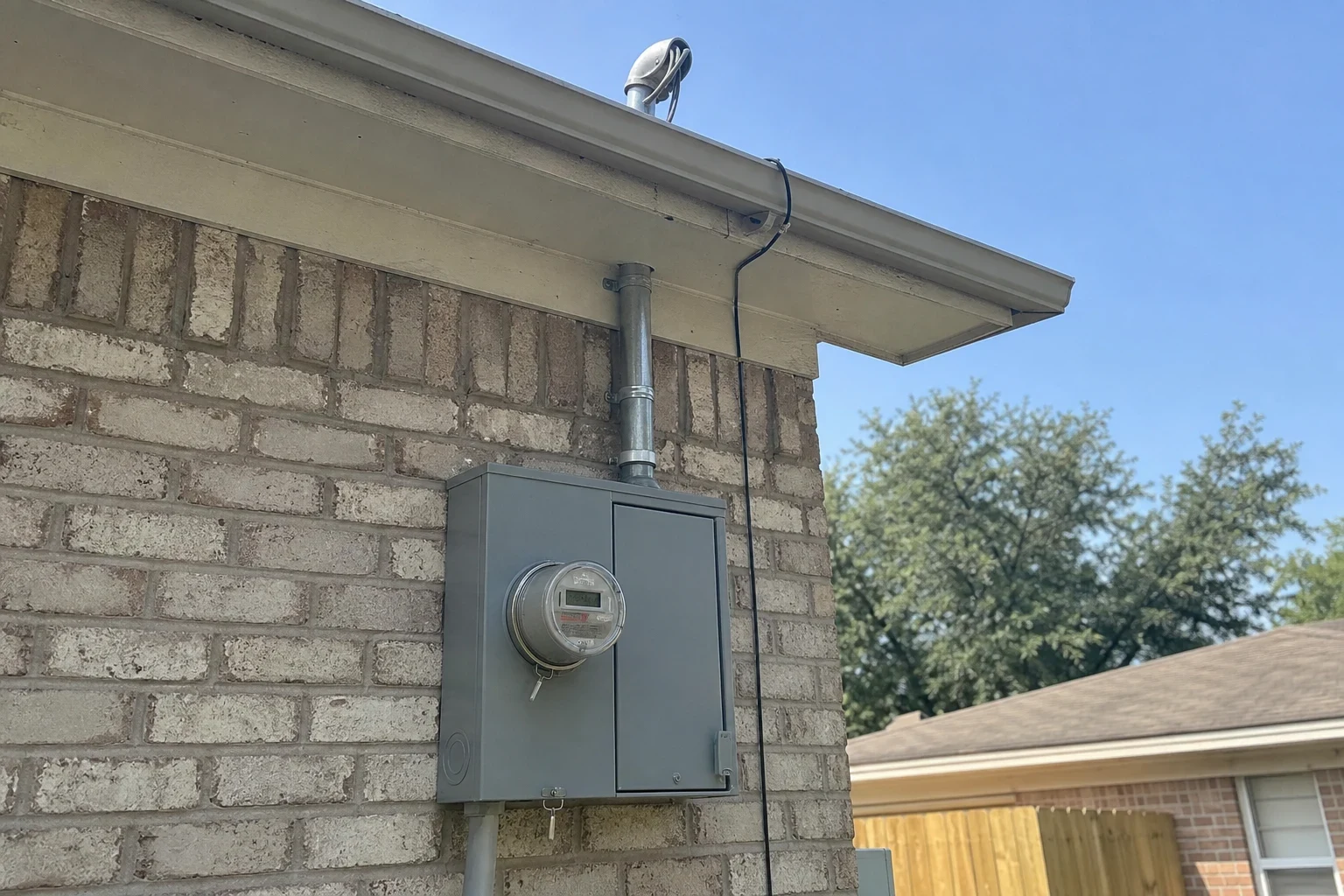
What Whole-Home Surge Protection Does
A surge is a short spike in voltage. Big ones come from lightning or utility switching. Small ones happen all day inside your home when the AC compressor, fridge or well pump kicks on. Each spike wears down the circuit boards in your appliances a little more.
A whole-home surge protective device sits at or beside your main panel. If the voltage spikes, the device shunts that extra energy into the grounding system instead of letting it run out to your outlets and appliances. It works alongside the plug-in strips you already own. It does not replace them.
Spring storms in North Texas bring plenty of lightning, so this is a common add-on for us. We set a time that works for you, show up inside the window we gave, and tell you right away if anything changes.
What Your Surge Protection Visit Includes
- Panel-mounted surge device
- We put in a surge protective device sized for your service and connect it to a dedicated breaker or the service conductors, depending on the model. The leads need to be short and direct, so we mount it as near the panel as possible.
- Grounding and bonding check
- The device can only work as well as its ground path. We inspect the ground rod and its clamp, the bond in the panel and the bond to your water line. Anything loose or missing gets shown to you before we fix it.
- A look at your panel
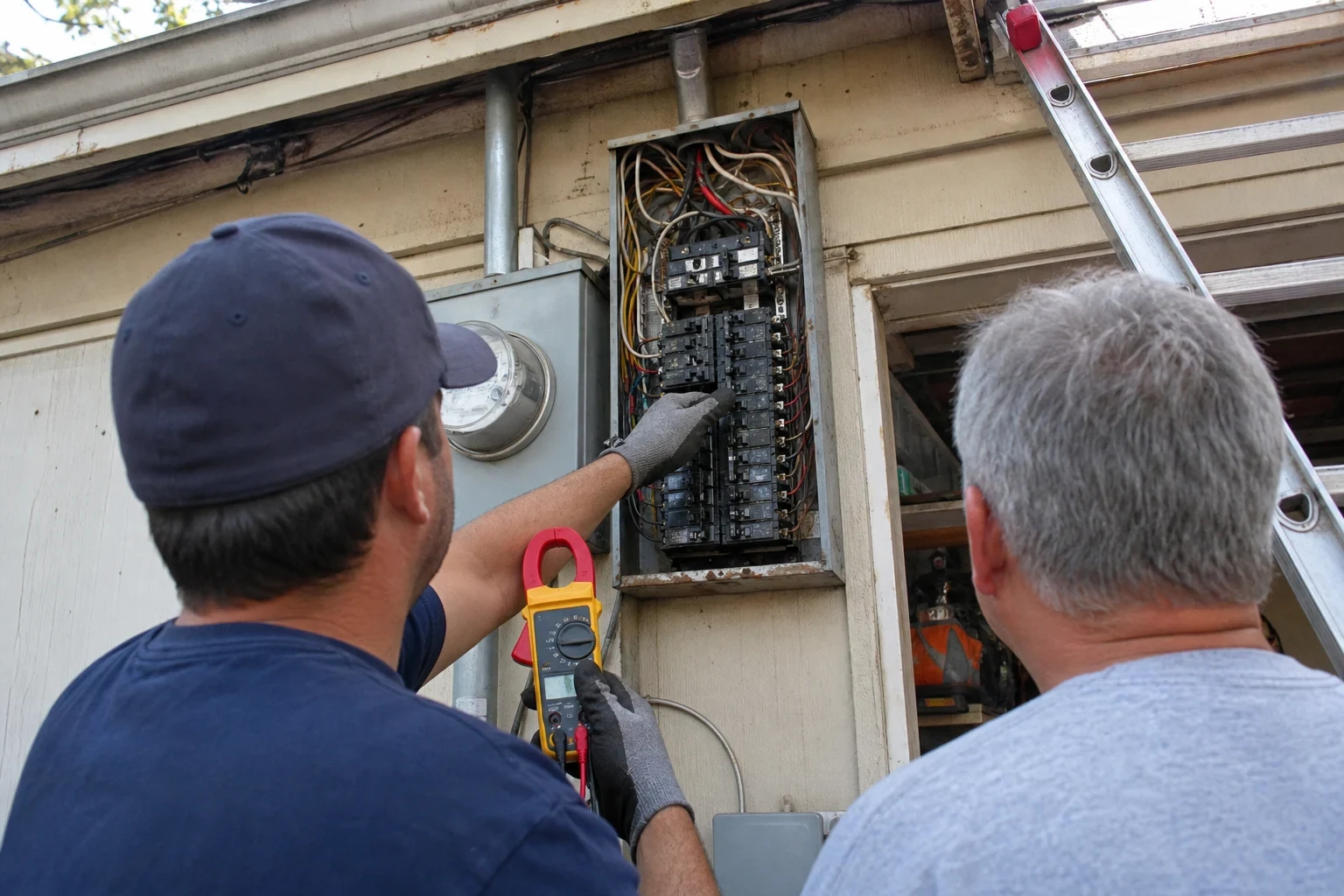
- While the panel is open, we also look for heat-marked breakers, loose lugs and terminals with two wires under one screw. You get a short list of what we saw. We add nothing to the job without your okay.
- Point-of-use advice
- We tell you which equipment deserves a quality plug-in protector, such as a home office or entertainment center. We also note that surges can enter through cable and phone lines.
- How to read the indicator
- Most units have a status light. We show you where to find it and what a change means, so you know when the device has worn out and should be replaced.
Signs Your Home Could Use Surge Protection
Electronics dying young
TVs, chargers, garage door openers or smart thermostats that quit after a year or two often point to repeated small surges wearing them out.
An HVAC or appliance board failed
A repair tech replaced the control board in your furnace, AC or washer and said a surge was the likely cause. That board is expensive to replace twice.
Lights blink when big loads start
A quick flicker when the AC or dryer kicks on is a sign of voltage swings on your circuits. We check for loose connections first, then talk about protection.
Recent storm or utility work
If a lightning strike hit nearby or the power company worked on lines on your street and something in the house stopped working, that is a good time to add a device.
Your panel is being replaced
Newer electrical codes call for a surge protective device when a service is replaced or upgraded. If you are planning panel upgrades, we can include it in the same job.
How the Day Goes
- 1
Pick a time by phone
You tell us what is going on and when you are home. We give you an arrival window and stick to it. If an earlier job runs long, we call before you start wondering.
- 2
Look before we cut power
We check the panel, the service size and the grounding. Then we tell you which device fits and if any grounding work is needed, before any work starts.
- 3
Short shutoff, clean install
We shut off the main, mount the device and land the wires. Power is usually off for under an hour. We tell you before we flip it so you can save anything on the computer.
- 4
Test and walk through
We turn the power back on, confirm the status light, and check that everything in the panel is tight. Then we show you the device and leave the area clean. If your jurisdiction requires a permit or inspection, we handle it and let you know the date.
What Moves the Price
Surge protection is usually a small job, but no two panels are quite alike. We give you the price by phone or after seeing the panel, before any work starts. If something comes up that changes it, we pause and talk with you first.
- Device type and rating
- Some units mount ahead of the main breaker, others on a breaker in the panel. A higher surge rating costs more and fits homes with more sensitive equipment.
- Panel space and condition
- When no slots are free, we may use a tandem breaker or move a few circuits to make space. Burned or loose parts must be repaired before the device goes in, and that work is priced separately.
- Grounding repairs
- A missing ground rod, a corroded clamp or a broken bond to the water line means more time and material. It's also what lets the device do its job.
- Permits where required
- Some jurisdictions call for a permit and inspection on this work. If yours does, that cost gets its own line.
Surge Protection Questions
Something not covered here? (682) 327-5868
Can it protect my house from a lightning strike?
Not reliably, and we won't tell you otherwise. A bolt that hits your house or the service line brings more energy than any panel unit can soak up. Where a whole-home device earns its keep is the everyday stuff: strikes a few blocks away, utility switching and the spikes your own appliances create.
Will this replace the power strips behind my TV and computer?
No, keep those for the gear that matters most to you. The device at the panel takes the edge off large spikes, and a decent strip right at the equipment catches what gets past it. The two layers do more together than either one does on its own.
How long does the install take?
Most installs take a few hours, with power off for less than an hour. If we find grounding problems or a crowded panel, it can take longer. We tell you that on the spot, not at the end of the day.
How long does a surge device last?
It depends on how many surges it absorbs. Every one uses up a bit of its capacity. Check the status light now and then, and after a big storm. When it shows a fault, the unit has done its job and should be swapped out.
Can you add this when you do other work?
Yes. It fits well with panel upgrades, generator installation and home battery backup systems since we are already in the panel. Doing it together saves a second shutoff and a second visit.
Get Your Panel Protected Before the Next Storm
Tell us when you are home and we will give you a real arrival window. If the schedule shifts, you hear it from us first.