ServicesHome Battery Backup
Home Battery Backup Systems in Dalworthington Gardens
We install home battery backup systems that keep your fridge, lights and key circuits running when the grid goes down. You get a planned install day, an arrival window you can count on, and a heads-up from us if anything on the schedule changes.
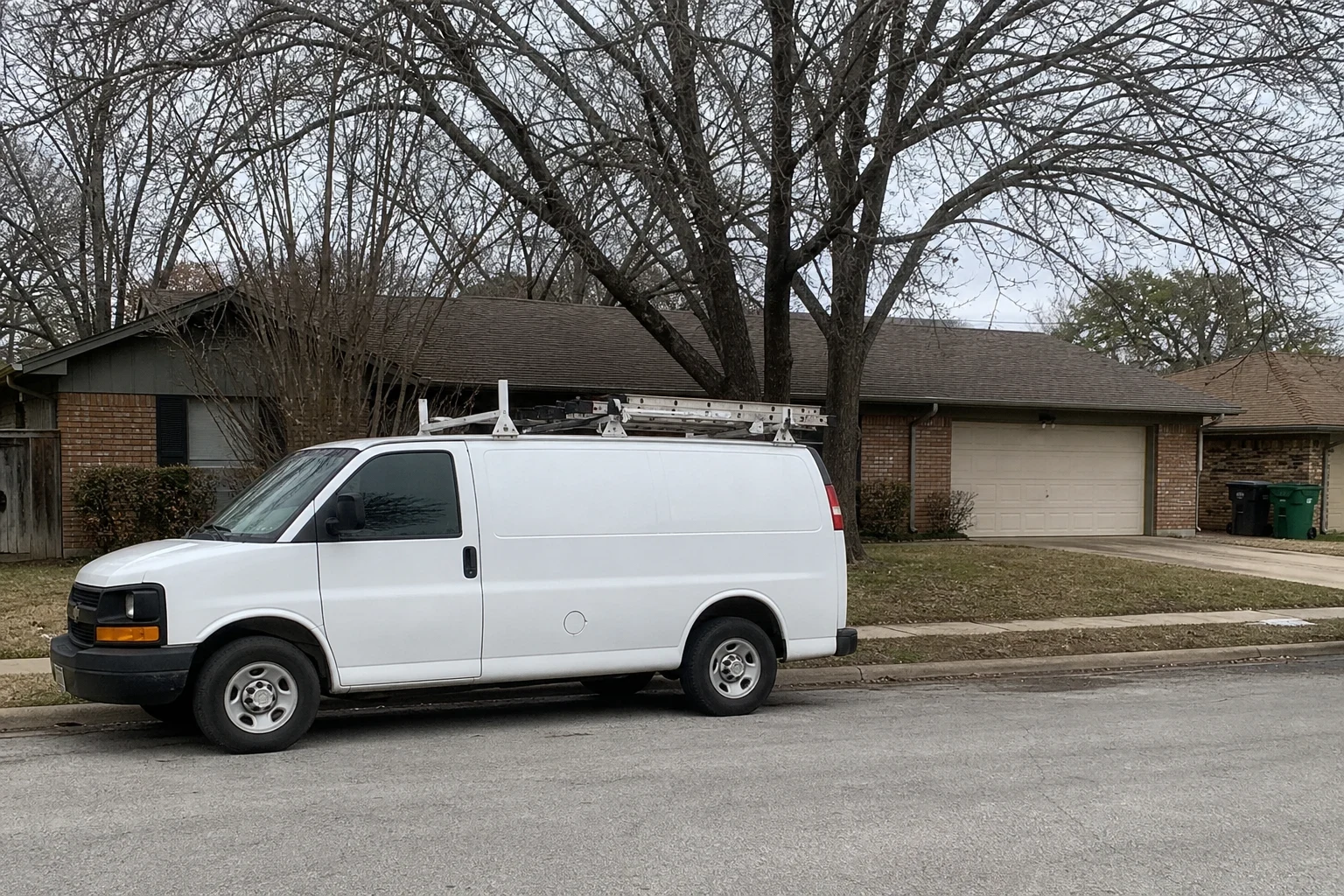
What a battery backup does for your home
A home battery fills up while utility power is on and takes over by itself the moment it goes out. In most setups the switch happens fast enough that your TV, computer and router never restart. With no fuel, no engine and no exhaust, the equipment can go in the garage or on an outside wall.
What matters most is which things you want powered and for how long. Covering the fridge, lights, internet and a few outlets is a much smaller system than one that keeps central air going on a hot afternoon. We size it around the loads you choose and tell you straight what it can and can't run.
It makes sense if you're tired of outages, if someone at home depends on powered medical equipment, or if a gas generator won't work for you. If a large house needs power for days, generator installation may fit better, and we'll tell you.
What the install includes
Load review and sizing
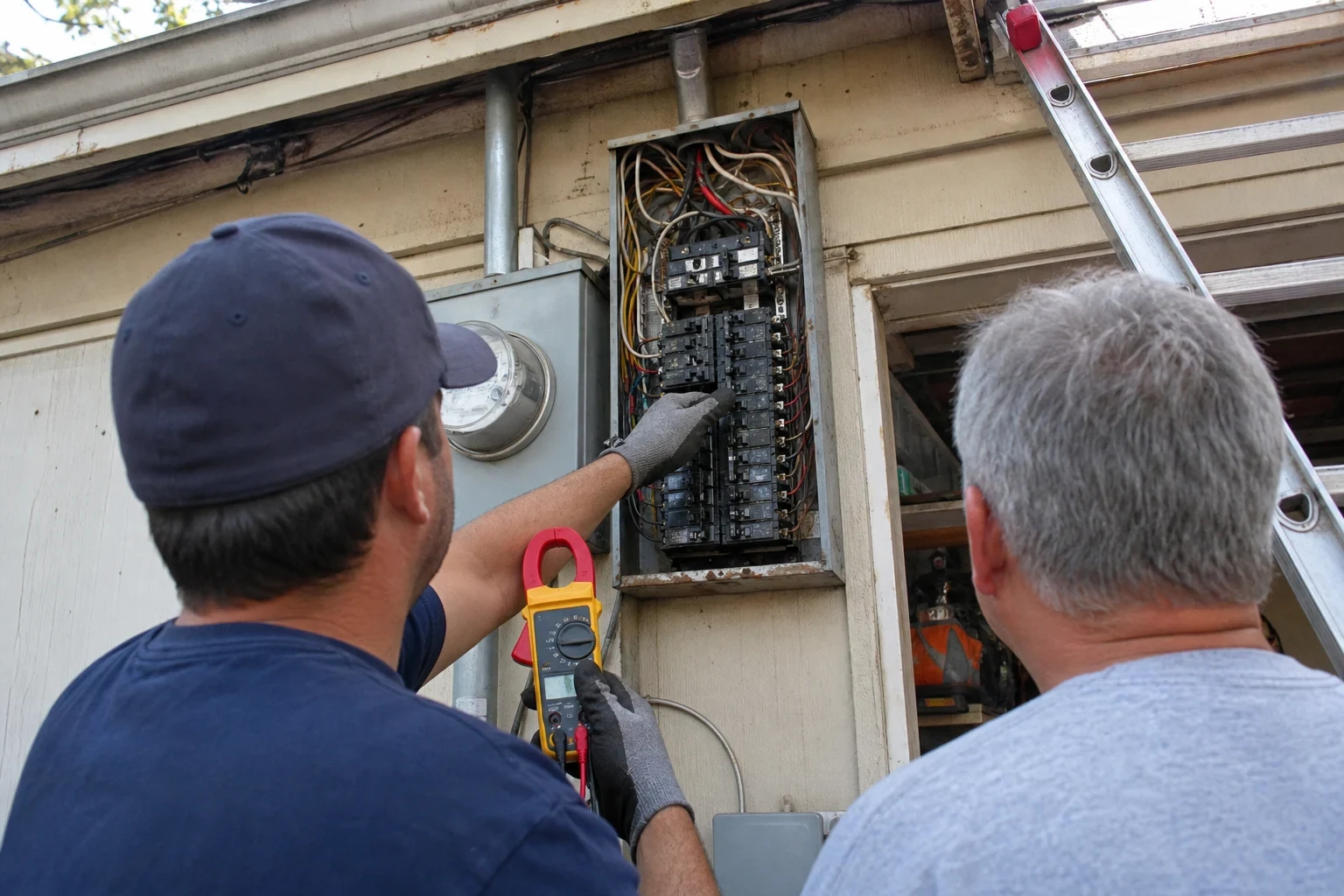
We walk your home, look at your panel and list the circuits you care about. Capacity in kilowatt-hours sets how long the battery runs. Output in kilowatts sets what it can start, which matters for motors like an AC compressor or a well pump.
Backup loads panel or whole-home setup
Most systems feed a separate backup panel, with the circuits you chose moved over to it. Some setups back up the whole panel and shed loads automatically. We explain both and recommend one.
Battery and inverter mounting
We mount the equipment with the required clearances and where it stays within its temperature range. Garages get very hot in a Texas summer, so we pick a spot that won't shorten battery life.
Transfer equipment and wiring
During an outage your home has to be cut off from the grid so power can't feed back onto utility lines. We install the transfer switch or gateway, run the conduit and make every connection.
Permit, inspection and utility paperwork
We file for the permit and book the inspection the way your local jurisdiction requires. Any utility coordination that applies is on us too. You'll hear the inspection date as soon as it's set.
Startup and walkthrough
Once it passes, we turn the system on, run a test outage and show you the app or display. You'll see what's backed up and how to check the charge.
Signs a battery backup makes sense
- Lost groceries or lost workdays
- When a short outage leaves you tossing food from the fridge or missing a day of work, a battery sized for those loads is worth a look.
- Medical or work equipment at home
- A CPAP machine, an oxygen concentrator or a home office that can't go dark is a strong reason to have power that comes on by itself.
- A generator isn't a fit
- Fuel storage, noise, upkeep or HOA rules rule out a generator for some homes. A battery sits quietly and needs very little attention.
- Storm season has you watching the forecast
- Spring storms and summer heat put real strain on the grid across North Texas. If every bad forecast has you worrying about the freezer, it's worth a conversation.
- Your panel is old or full
- If you're already thinking about a panel upgrade, it's a good time to plan battery backup too. We can often fold both into one project on one schedule.
How the job runs, start to finish
- 1
Service visit and load list
We arrive inside the window we gave you. We open up your panel, pick out a few possible mounting locations with you and talk through what you want backed up. You get a written scope and price after the visit.
- 2
Ordering and permit
Battery equipment can take a while to arrive. We give you a realistic lead time, file the permit, and call you right away if a supplier pushes a date.
- 3
Install day
Most installs take a full day, sometimes two if circuits move to a new backup panel. Your power will be off for part of that time, and we tell you the shutdown window in advance.
- 4
Inspection and startup
After the inspector signs off, we turn the system on, run an outage test and walk you through it. Then we clean up and leave your space the way we found it.
What moves the price
Prices for battery backup cover a wide range, mostly because the hardware is a large part of the bill. The honest answer depends on what you want to run, so we price it after seeing your panel. You get a written price broken out line by line.
- Storage capacity
- More kilowatt-hours means more runtime and more cost. Adding a second battery is common for homes that want longer coverage.
- What you want to run
- Keeping central air or an electric range on backup takes more output and sometimes extra parts like a soft starter. Lights and outlets alone cost far less to cover.
- Your panel's condition
- An older or full panel may need rework or replacement before a battery can tie in. We'll tell you at the visit if that's the case.
- Mounting spot and wire runs
- Long runs, trenching, or mounting outside instead of in the garage change both materials and labor.
- Permit and utility requirements
- Permit fees and any utility paperwork vary by jurisdiction. They're listed in your written price, not added later.
Battery backup questions
- How long will the battery keep my home running?
- It depends on how much storage you have and what's pulling from it. A single battery can typically run the fridge, lights and internet through the night. Put central air on it and the charge goes much faster. We figure runtime from the loads you actually want covered, not an ideal-case figure.
- Do I need a new panel to add a battery?
- Many times, no. Lots of systems connect through a backup loads panel mounted beside the one you have. If your main panel is worn, too small or out of space, we'll say so at the visit and walk you through a panel upgrade.
- Should I get a battery or a generator?
- Both have a place. A generator makes power as long as it has fuel and handles big loads well. A battery runs quietly, needs little care and switches on by itself. Some homes have both, and we'll go over the pros and cons for your house and budget.
- How long until the system is up and running?
- Usually a few weeks, mainly waiting on equipment, permit review and an inspection slot. The install itself typically takes one to two days. You get a timeline up front, and we call if any date changes.
- Will you need to shut off my power?
- Yes, for part of the day. The main has to be off for us to make the last connections safely. We tell you the shutoff window in advance so you can plan around calls, meals and anything that must stay cold.
- What upkeep does a home battery need?
- Not much. Keep the space around it clear and glance at the app from time to time for alerts. If anything looks wrong, we can check it on a service visit.
Plan your battery backup with a real timeline
Book a service visit and we'll look at your panel, talk through what you want backed up and give you a written price with dates you can plan around. If a date moves, you'll hear it from us first.